
What to Expect on Guided Fishing Charters: 2026 Guide
Table of Contents
What to Expect on Guided Fishing Charters: The Day, Start to Finish
Fishing Charter Safety Tips: Life Jackets, Briefings, and Seasickness
What to Ask a Fishing Charter Captain Before You Book
What the Booking Price Includes, Tipping, and Weather Cancellations
Guided Fishing Charters for Beginners, Families, and Non-Anglers
Conclusion: Booking a Guided Fishing Charter with Confidence
Frequently Asked Questions
Last Updated: October 12, 2026
What to Expect on Guided Fishing Charters: The Day, Start to Finish
Guided fishing charters are professionally crewed trips where a licensed captain handles the boat, the gear, and the local knowledge so you can focus on fishing.
Here is the full timeline of a typical charter day, hour by hour, so you know exactly what happens and when.
Before you leave the dock (arrival to departure)
15-30 minutes before departure, arrival and check-in. You meet the captain at the dock or staging area. The crew confirms your name, group size, and any medical notes, then points you to the head (bathroom) and where to stow bags. This is the moment to hand over your fishing license, ask about the day's plan, and mention motion-sickness medication you have already taken.
10 minutes before departure, safety briefing. The crew covers life jacket locations, emergency procedures, the location of the fire extinguisher and first-aid kit, and boat rules (no standing while underway, no glass on deck, where to sit). It takes about five minutes and is not optional.
Departure. The captain runs to the day's best fishing grounds based on weather, water temperature, and recent reports. On a lake, that run can be 10 minutes or 45 minutes depending on where the fish have moved.
On the water (the fishing blocks)
First block (roughly 60-90 minutes). The captain positions the boat and the crew rigs everyone's line. Expect a short lesson on the technique of the day, jigging, trolling, or drifting, and a demonstration before you drop your own line. First-timers usually get their first bite in this window.
Move. When a spot slows, the captain pulls anchor or lines and runs to the next waypoint. Moves are normal, not a sign of a bad day; they are how the crew keeps you on fish.
Second and third blocks. Expect two to four productive stretches across a half-day, and four to six across a full-day. The crew rotates rods, re-ties leaders, and swaps bait as conditions change.
Lunch or snack break. On a full-day trip, the captain usually anchors or drifts in a calm spot so you can eat without juggling a rod.
The return (last 30-45 minutes)
Final pass. The captain makes one last drift or troll on the way back, often the most productive of the day.
Run to the dock. Gear gets stowed, rods get racked, and the crew starts sorting the catch.
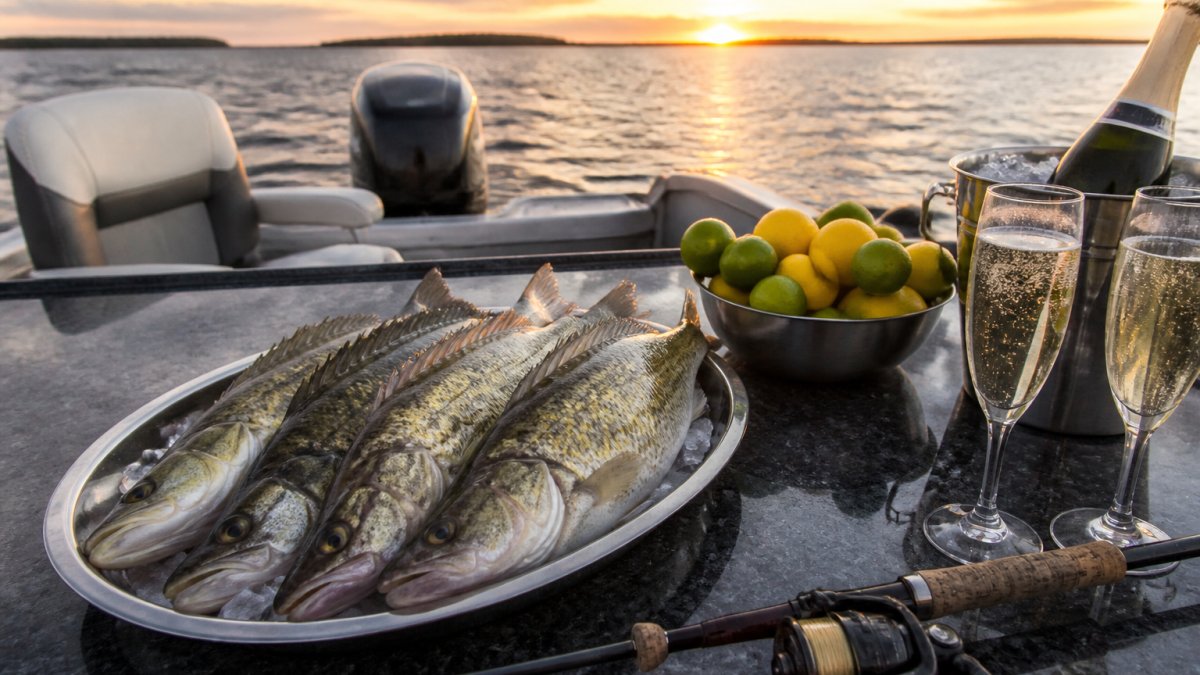
Fish cleaning and bagging. At the dock, the crew fillets and bags your catch, usually within 20-30 minutes. You leave with cooler-ready fillets, not a pile of whole fish.
Settlement and tip. You settle any balance, tip the crew, and get a photo if you want one.

(/faqs).** Rules vary by state and species.
What the crew typically provides:
Rods, reels, and tackle
Bait and lures
Life jackets for every passenger
Fish cleaning and bagging
Local knowledge of the fishing grounds
Check with your captain about licensing before you arrive. Many operators can point you to the right state fishing license portal so you are legal before you step aboard.
Watch Out Do not skip the motion sickness medication because you "never get sick." Seasickness hits hardest on open water, and once it starts, the day is over for you. Take it an hour before departure.
Fishing Charter Safety Tips: Life Jackets, Briefings, and Seasickness
Safety on a charter starts with the crew, but you play a role too. Every legitimate operator opens with a safety briefing that covers life jacket locations, emergency exits, and what to do if someone goes overboard.
Take Me Fishing
Fishing charter safety tips worth remembering:
Listen to the briefing. It takes five minutes and covers everything.
Know where your life jacket is. Wear it if conditions turn rough.
Stay seated while the boat is moving. Open water is unpredictable.
Watch your footing. Decks get slick with spray and fish slime.
Tell the captain about medical conditions. It helps them plan.
The U.S. Coast Guard sets the standards charter captains follow for vessel safety and licensing, and you can verify a captain's credentials through U.S. Coast Guard documentation. A documented vessel and a licensed captain are the two signals that separate a professional operation from a risky one.
What to Ask a Fishing Charter Captain Before You Book
A few sharp questions before you book will tell you more than any brochure. What to ask a fishing charter captain comes down to logistics, expectations, and comfort.
Ask these before you commit:
What is included in the price? Gear, bait, cleaning, and drinks vary.
What is your cancellation policy for weather? Get it in writing.
How many passengers do you take? Smaller groups mean more attention.
What species are biting this time of year? It sets realistic expectations.
What happens to the catch? Cleaning, bagging, and limits matter.
Do you have references? A confident captain will share them.
That last one matters. A captain with decades on the same water will happily connect you with past guests. It is the fastest way to confirm the operation is legitimate before you commit real money.
What the Booking Price Includes, Tipping, and Weather Cancellations
Charter pricing covers more than the boat ride, and understanding the breakdown prevents surprises. Most bookings include the captain, crew, fuel, gear, bait, and fish cleaning.
Here is what to confirm in writing:
Item | Usually Included | Confirm Before Booking |
Captain and crew | Yes | Always |
Rods, reels, tackle, bait | Yes | Ask about specialty gear |
Fish cleaning and bagging | Often | Ask about limits |
Food and drinks | Sometimes | Bring your own if unsure |
Fishing license | Rarely | Buy your own |
Gratuity | No | Plan 15-20% for good service |
How deposits and balances typically work
Most operators take a deposit to hold the date and collect the balance at the dock. Ask three questions before you pay: Is the deposit refundable? Is it transferable to another date?
Tipping
Tipping is standard in the charter industry. A 15-20% gratuity for the crew is customary when service is strong. It is not mandatory, but it is expected.
Weather cancellations and rescheduling
The captain, not the passenger, makes the call on weather. Small-craft advisories, lightning, and high winds are the usual triggers. A good captain cancels rather than risk a bad day, and reputable operators reschedule at no charge or refund the deposit. Ask these before you book:
Who decides to cancel? The captain should have final say, and the decision should be made before you drive to the dock whenever possible.
What is the cutoff time? Most captains call it the evening before or the morning of, based on the latest forecast.
Is the deposit refunded or rolled forward? Policies vary; get the answer in writing.
What if you cancel for a non-weather reason? Expect a short-notice cancellation to forfeit the deposit.
What happens to the catch
On most guided trips, the crew cleans and bags your catch at the dock.
Key Takeaway The three things to lock down before booking: what the price includes, the weather cancellation policy, and the gratuity expectation. Get all three in writing.
Guided Fishing Charters for Beginners, Families, and Non-Anglers
You do not need experience to enjoy a guided trip. Guided fishing charters are built for all skill levels, and a good captain teaches as much as they navigate.
Who charters suit:
First-time anglers. The crew rigs your line and shows you what to do.
Families with older children. Stability and space keep everyone comfortable.
Corporate groups. A shared activity beats a conference room.
Non-anglers. Many guests come for the scenery and the company.
Milestone celebrations. Birthdays and anniversaries on the water stick with people.
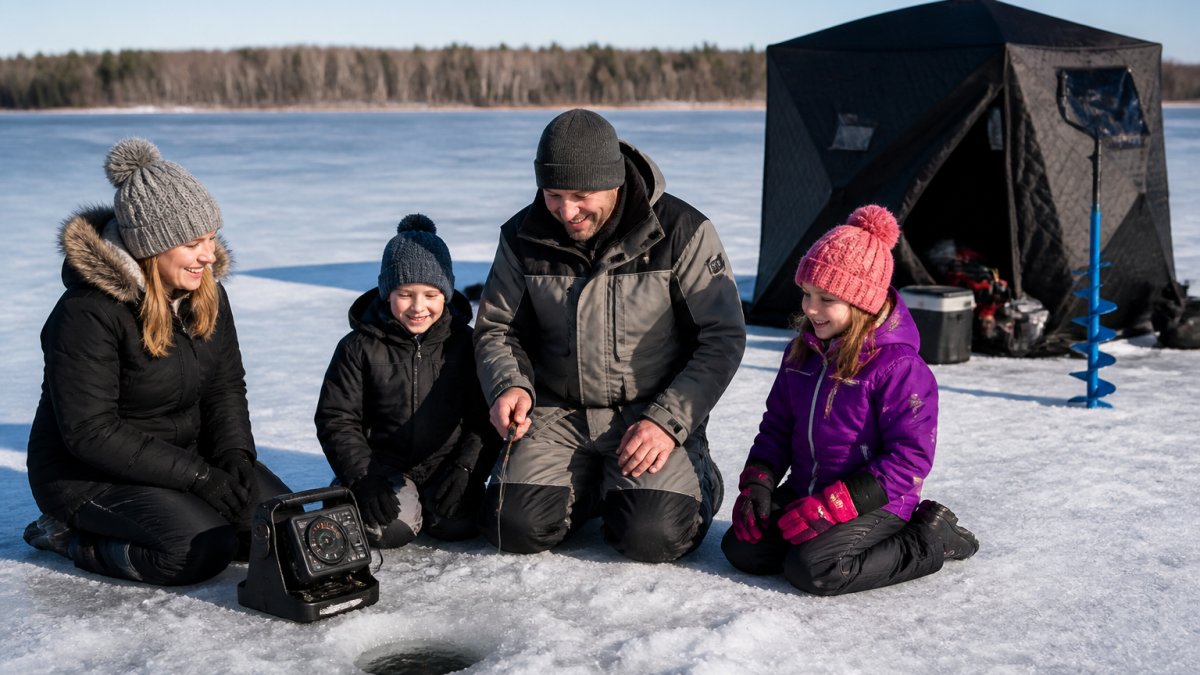
Accessibility matters too. Ask about seating, boarding assistance, and bathroom facilities if anyone in your group has mobility limits. A spacious, stable vessel makes the day easier for everyone, and heated cabins keep cold-sensitive guests comfortable when temperatures drop.
Conclusion: Booking a Guided Fishing Charter with Confidence
The gap between a stressful DIY trip and a memorable one comes down to preparation and the right crew. Now that you know what to expect on guided charters, from the safety briefing to the fish cleaning, you can book with a clear picture of the day ahead.
At Trophies Only, LLC, we take the guesswork out of the experience. Our U.S. Coast Guard-licensed captain brings more than 40 years of local expertise, our 2025 Pursuit OS 325 offshore yacht offers a spacious and stable ride, and our heated luxury sleeper houses keep ice fishing guests warm and comfortable all day. Get started with Trophies Only, LLC and turn your next group trip into a story worth telling.
Frequently Asked Questions
How much should I tip a fishing charter guide?
Tipping is customary but not required. Many guests tip 15 to 20 percent of the charter cost for good service, similar to restaurant gratuity. If the crew fillets your catch, baits hooks, and keeps you on fish all day, a larger tip is appropriate. Bring cash in small bills so you can tip the captain and deckhand separately. Confirm the tipping policy when you book, since some operators include gratuity in the total price and others do not.
Do fishing charters provide rods and tackle?
Most guided fishing charters supply rods, reels, tackle, bait, and safety gear as part of the booking. On a well-equipped boat, you show up empty-handed and the crew handles the rest. Ask what to bring on a fishing charter when you reserve, since some operators expect you to bring your own rain gear, sunglasses, and snacks. If you prefer your own rod, most captains will let you use it after a quick check of the setup.
What happens if the weather changes during a fishing charter?
Captains monitor weather and sea conditions constantly and will cut a trip short or reschedule if safety is at risk. Most operators offer a reschedule or refund when they cancel for weather, but policies vary. If conditions turn rough mid-trip, the captain may move to calmer water or head back early. Ask about the weather policy before you book, and build a flexible day around your charter so a reschedule does not ruin your plans.
Is a guided fishing charter suitable for beginners?
Yes. A guided fishing charter is one of the easiest ways to learn, because the captain and crew handle navigation, rigging, bait, and technique coaching. First-time anglers on a half-day trip often land fish within the first hour. Tell the captain you are new when you board so they can match you to the right gear and fishing techniques. Comfortable boats with heated cabins and bathrooms also make the day easier for guests who are not seasoned outdoors people.
Get Started Today

Comments